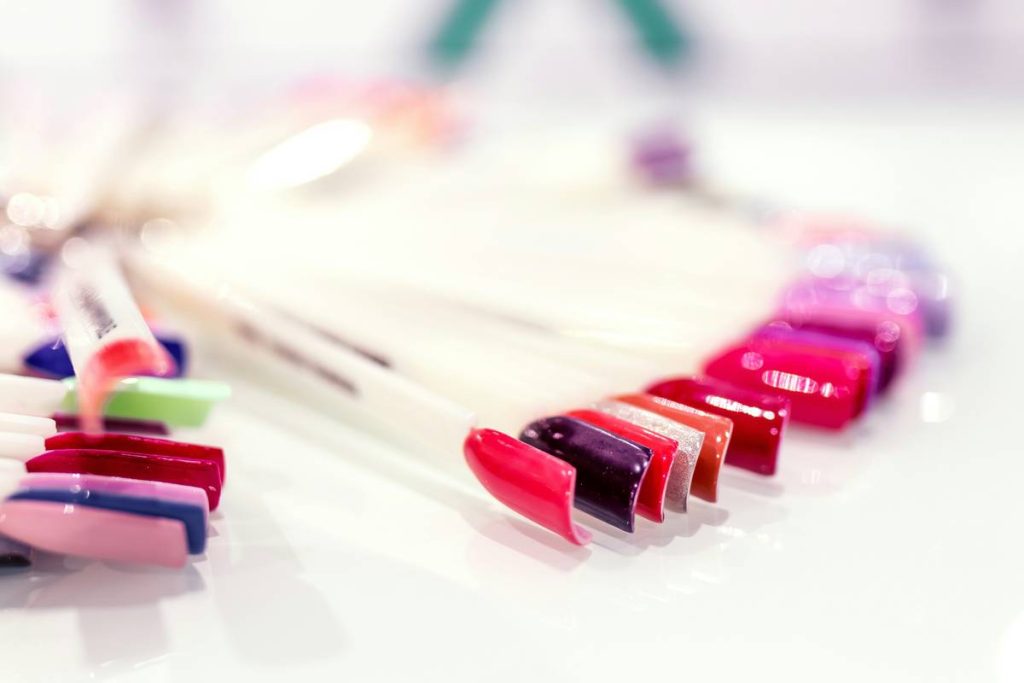
Chipped polish by day two. Yellowed nails after a week. Polish that peels like old paint—again. You followed every tutorial, used “premium” lacquer, even skipped washing dishes. But your manicure still collapsed. The culprit? Skipping or misusing the nail base coat product. It’s not just another layer—it’s the foundation your entire manicure stands on.
Why Most Base Coats Don’t Actually Work
Most drugstore base coats are glorified clear polish with a marketing label slapped on. They smooth nothing. Seal nothing. And they certainly don’t bond. They sit on the nail like water on wax paper—eventually sliding right off. Worse, some contain formaldehyde or toluene that dehydrate your nail plate over time, making it brittle and prone to splitting. Your polish isn’t failing you. Your base coat is.
And here’s the uncomfortable truth: applying two coats of color without a proper base isn’t just ineffective—it’s actively damaging. Pigments seep into microscopic ridges, staining the keratin. No scrubbing fixes that.
How to Use a Nail Base Coat Product Like a Pro
Forget vague advice. This is the exact protocol salon techs use (but rarely share).
Prep Like Your Nails Depend On It (Because They Do)
Wipe nails with 99% isopropyl alcohol—no oils, no lotions, no residue. Buff lightly if ridges are pronounced, but never file down to “smooth.” Healthy nails aren’t glass; they’re textured. That texture gives the base coat something to grip.
Choose the Right Formula for Your Nail Type
Flexible? Brittle? Oily? Your base coat must match your biology—not your Pinterest board. Hard, rigid formulas crack on flexible nails. Hydrating bases turn gummy on oily nail beds. Know your substrate.
Apply Thin—Then Wait
One sheer coat. Not gloopy. Not streaky. Let it dry 60 seconds minimum before color. This isn’t patience—it’s chemistry. The solvent needs to evaporate so the film-forming polymers can anchor properly.

| Base Coat Type | Best For | Drying Time | Longevity Boost |
|---|---|---|---|
| Ridge Filler | Deep vertical ridges | 90 sec | +2 days |
| Strengthening (with calcium/hydrolyzed protein) | Brittle, peeling nails | 75 sec | +4 days |
| Adhesion Promoter (acid-free primer) | Oily nail beds | 60 sec | +5 days |
| Hydration-Infused | Dry, flaky cuticles + thin nails | 120 sec | +1–2 days (less chipping at tips) |

The Industry Secret: Layer Stacking Is a Myth
Here’s what no brand will admit: stacking multiple base coats backfires. Two layers trap solvents between films. As they slowly off-gas over hours, micro-bubbles form—creating invisible weak points where polish lifts first. One perfect coat beats three rushed ones. Always. The math is simple: adhesion = surface contact ÷ interference. More layers = more interference. Less is more—when it’s the right one.
And while we’re exposing myths: “5-free” or “10-free” labels don’t guarantee performance. A clean formula can still be structurally weak. Look for polyurethane or nitrocellulose as the first ingredient—not water or alcohol.
Frequently Asked Questions
Can I skip base coat if my polish has strengthening claims?
No. Tinted polishes lack the film integrity and adhesion promoters found in dedicated base layers. Color alone can’t seal or protect.
How often should I replace my nail base coat product?
Every 9–12 months. Solvents evaporate over time, thickening the formula and reducing bonding power—even if it looks fine.
Does base coat really prevent staining?
Yes—but only if applied evenly without gaps. Staining happens where pigment touches bare keratin. Full coverage is non-negotiable.