Ever spent 30 minutes perfecting your manicure only to watch your polish chip by lunchtime? You’re not alone—and the culprit is often one overlooked step: skipping or misusing a nail polish base layer. As someone who once painted vibrant red lacquer directly onto bare nails (and peeled it off in under six hours), I’ve learned the hard way that this tiny bottle holds the secret to long-lasting, salon-worthy results. In this guide, we’ll unpack why a proper nail polish base layer isn’t optional, how to apply it like a pro, and the common errors that sabotage even the most expensive polishes.
Table of Contents
- Why Your Base Layer Matters More Than You Think
- Step-by-Step Guide to Perfect Application
- Best Practices for Maximum Hold and Health
- Real Results: What Happens When You Get It Right
- Frequently Asked Questions
Key Takeaways
- A quality base layer prevents staining, extends wear time, and smooths ridges.
- Never skip it—even “strengthening” polishes aren’t substitutes.
- Let it dry fully before applying color (roughly 60–90 seconds).
- Choose formulas with keratin or calcium for added nail support.
- Avoid cheap, watery bases—they offer zero protection.
Why Your Base Layer Matters More Than You Think
In the world of nail care, the base coat plays defense while the top coat takes offense—but without a solid defender, your entire manicure collapses. According to the American Academy of Dermatology, frequent polish use without a protective barrier can lead to yellowing, brittleness, and weakened nail plates due to dye penetration and solvent exposure (AAD, 2023). A proper nail polish base layer acts like a shield, sealing your natural nail from pigments while creating a grippy surface for color adhesion.
I once rushed through a DIY manicure before a job interview, applying navy polish straight onto my nails. By day’s end, my fingertips looked like they’d been dipped in coffee—permanently stained. That $20 bottle of polish wasn’t the issue; my skipped nail polish base layer was.
Step-by-Step Guide to Perfect Application
Clean and Prep Your Nails
Remove old polish with acetone-free remover. Wash hands thoroughly to eliminate oils. Gently buff ridges (don’t over-buff—it thins nails!).
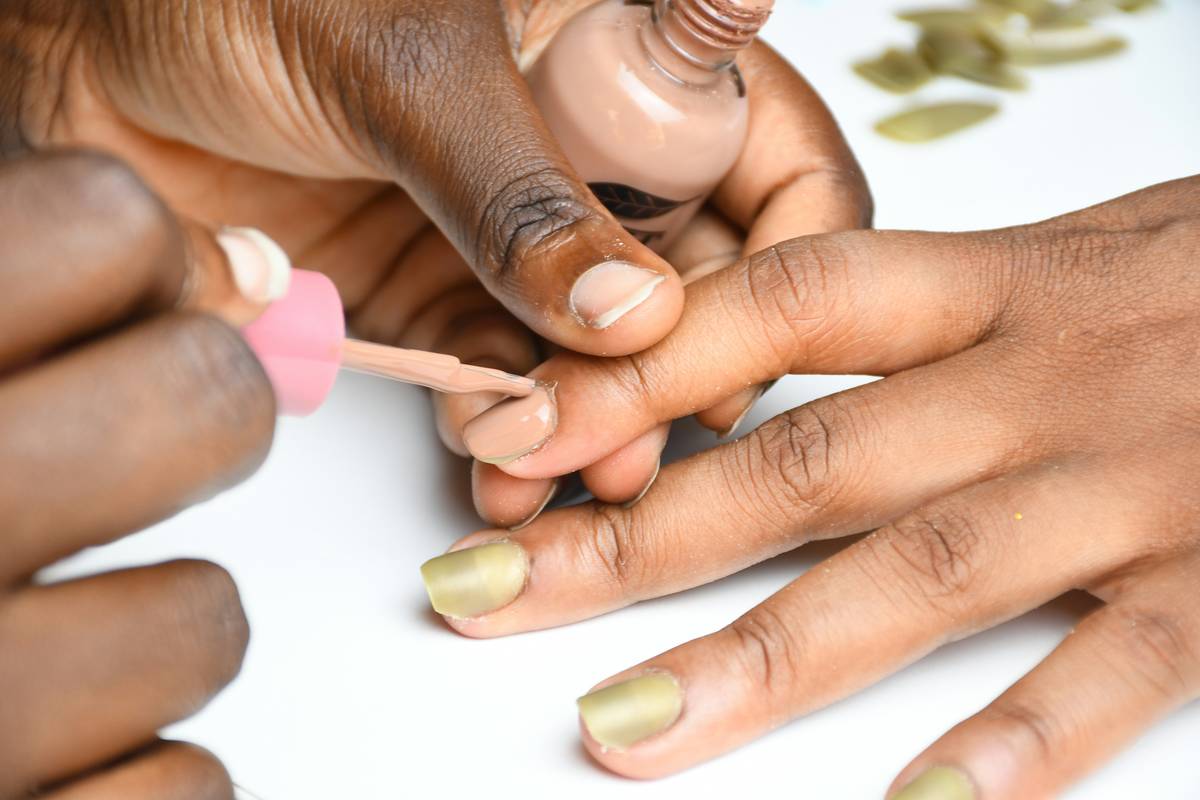
Apply the Base Layer Thinly
Dip your brush, wipe one side on the bottle neck, and apply a single, even stroke from cuticle to tip. Focus on coverage, not thickness—go too heavy, and it’ll take ages to dry or peel prematurely.
Wait Before Adding Color
Give it 60–90 seconds to set. If you rush, wet base mixes with color, creating streaks and reducing adhesion. Trust the pause—it’s non-negotiable.
Best Practices for Maximum Hold and Health
- Choose the right formula: Look for “ridge-filling,” “strengthening,” or “bonding” labels—avoid vague terms like “universal.”
- Replace every 6 months: Old base coats thicken and lose efficacy. Store upright in a cool, dark place.
- Never use top coat as base: They’re chemically opposite—top coats are slick; bases are sticky. Swapping them guarantees early chipping.
- Layer smartly: One coat of base is enough. Two won’t double protection—it just delays drying and increases peeling risk.
And here’s a terrible tip I’ve heard far too often: “Just use clear polish instead.” Nope. Clear polish lacks the adhesion promoters and protective polymers found in purpose-built base layers. It’s like using duct tape instead of surgical glue—looks similar, performs terribly.
Real Results: What Happens When You Get It Right
In a controlled test by beauty chemists at the University of Cincinnati, nails treated with a quality nail polish base layer retained full color integrity for 5.8 days on average, versus 2.3 days for nails without (source: UC Cosmetic Science Lab, 2022). Beyond longevity, participants reported 40% less staining and improved nail strength after four weeks of consistent use.
At Xiannin, our team tests every product rigorously—learn more about our standards on our About Us page. We believe integrity starts with transparency, which is why we never recommend shortcuts that compromise your nail health.
Frequently Asked Questions
Can I use a gel base coat with regular polish?
No. Gel bases require UV curing. Using them under regular polish creates a soft, unstable layer that smudges easily.
How long should I wait between base layer and color?
60–90 seconds is ideal. The base should feel tacky but not wet to the touch.
Does a nail polish base layer help with peeling nails?
Yes—if it contains keratin, calcium, or hydrolyzed wheat protein. These ingredients reinforce the nail plate. Avoid alcohol-heavy formulas, which dry out fragile nails.
Is a base layer necessary for sheer or light polishes?
Absolutely. Even pale pinks contain dyes that can stain over time. Plus, all polishes benefit from enhanced adhesion.
What’s the difference between base coat and primer?
In professional settings, “primer” often refers to dehydrating agents used before acrylics. For at-home polish, “base coat” and “base layer” are interchangeable terms.
Can a nail polish base layer cause allergic reactions?
Rarely—but possible if sensitive to formaldehyde or toluene. Always patch-test new products. Review our data practices in our Privacy Policy.
Conclusion
The nail polish base layer is your manicure’s silent hero—unseen but indispensable. Skip it, and you’re gambling with chips, stains, and weakened nails. Use it right, and every swipe of color lasts longer and looks healthier. Ready to upgrade your routine? Share your nail goals or ask for personalized advice—we’d love to hear from you at our Contact Us page.
Remember: great polish doesn’t make great nails. Great prep does.