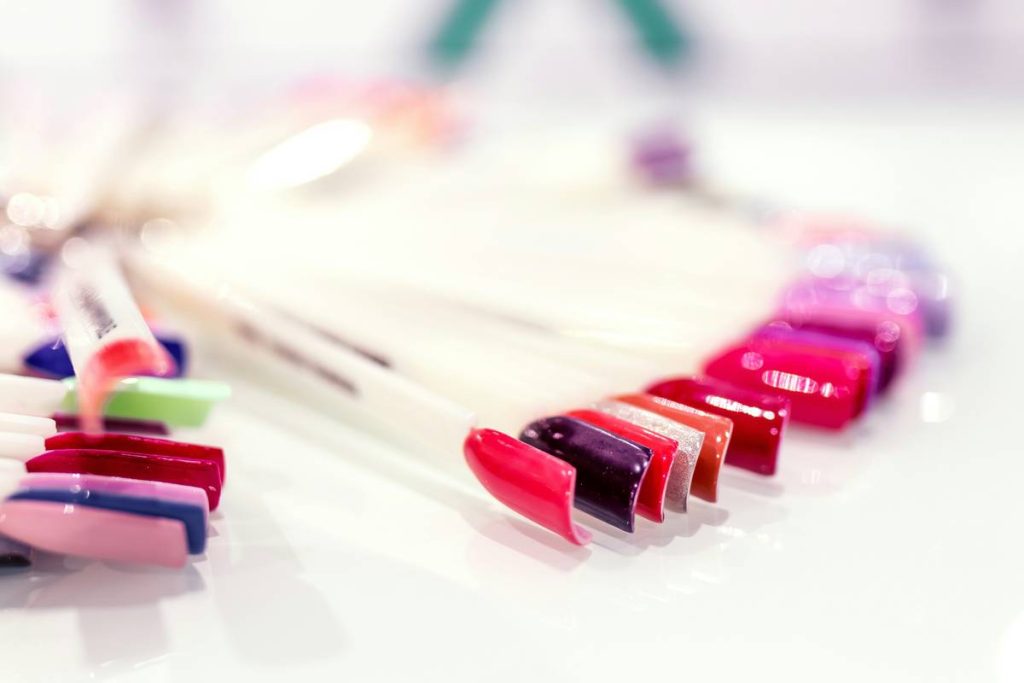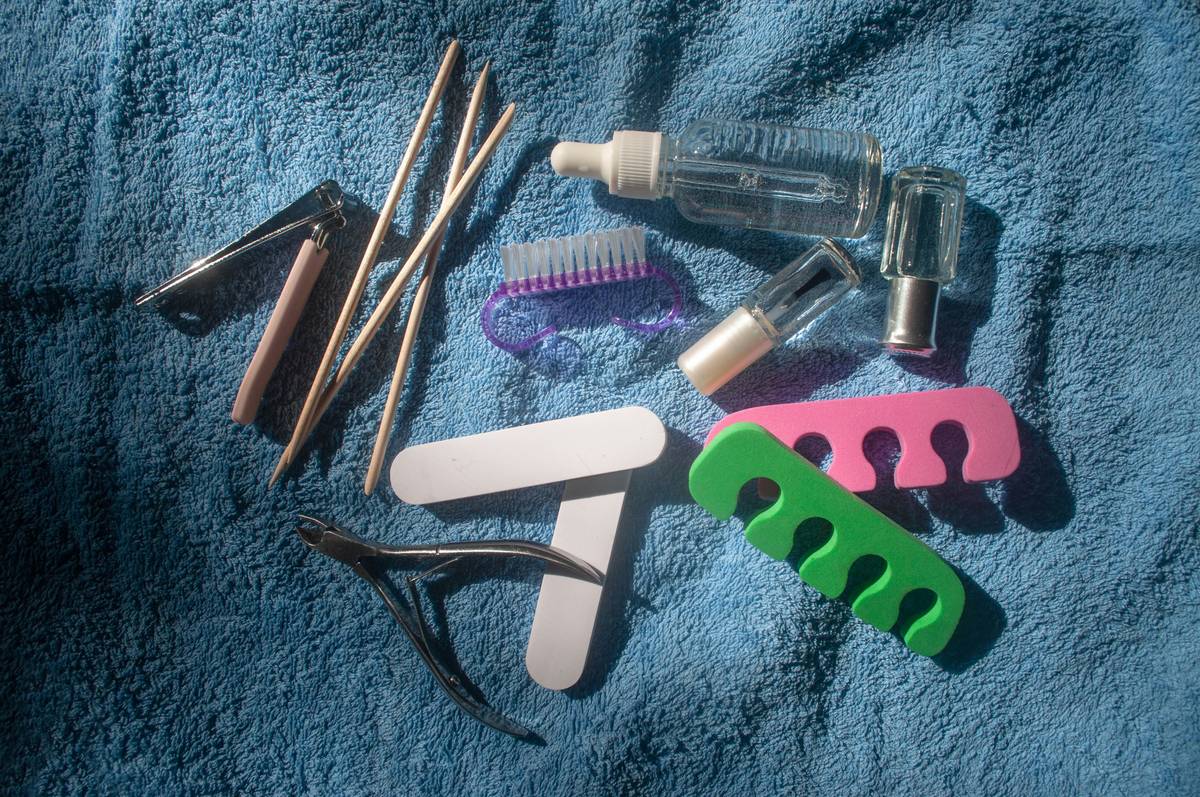
You paint on polish like a pro. But by day two? Chips. Peeling. Yellowing. It’s not your top coat—it’s your base coat for manicure. Most formulas promise adhesion and protection but deliver gummy residue or zero staying power. And that “5-day wear” claim? Marketing theater. The fix isn’t buying more products—it’s understanding what actually bonds polish to keratin.
Why 90% of Base Coats Sabotage Your Manicure
Most drugstore base coats are packed with cheap film-formers that sit *on* the nail—not in it. They create a slick surface polish slides off within hours. Worse, some contain formaldehyde resins that dry out nails over time, causing micro-cracks where moisture seeps in. Then your manicure lifts from the cuticle like a peeling sticker.
And here’s the kicker: applying polish directly to bare nails without proper prep guarantees early failure—no matter how expensive the bottle.
How to Apply a Base Coat for Manicure That Actually Lasts
It’s not just slapping on a layer and hoping. Precision matters. Timing matters. Chemistry matters.
Step 1: Dehydrate, Don’t Strip
Wipe nails with 99% isopropyl alcohol—not acetone. Acetone leaves behind oily residues that repel adhesion. Alcohol evaporates cleanly, creating a dry canvas.
Step 2: Thin Is In
Apply your base coat in one feather-light stroke from cuticle to tip. Thick layers trap solvents that keep curing under polish, causing shrinkage and lifting. Less = longer wear.
Step 3: Cure Time Isn’t Optional
Wait a full 60 seconds before color. Rush this, and you’re sealing wet base under wet polish—guaranteed to delaminate.
The right product makes this process foolproof. But not all formulas are created equal:
| Type | Adhesion Power | Nail Health Impact | Price Range (USD) |
|---|---|---|---|
| Hydration-Boosting (e.g., with keratin) | Moderate | + Long-term strengthening | $8–$14 |
| Ridge-Filling (silicone-based) | High initial grip | – Can clog nail pores | $6–$12 |
| Bonding Primers (acid-free etch technology) | Very High | Neutral / Protective | $10–$18 |
| Strengthening + UV Block | Good | + Prevents yellowing | $12–$20 |
The Industry Secret: Polish Doesn’t Stick to Nails—It Bonds to Itself
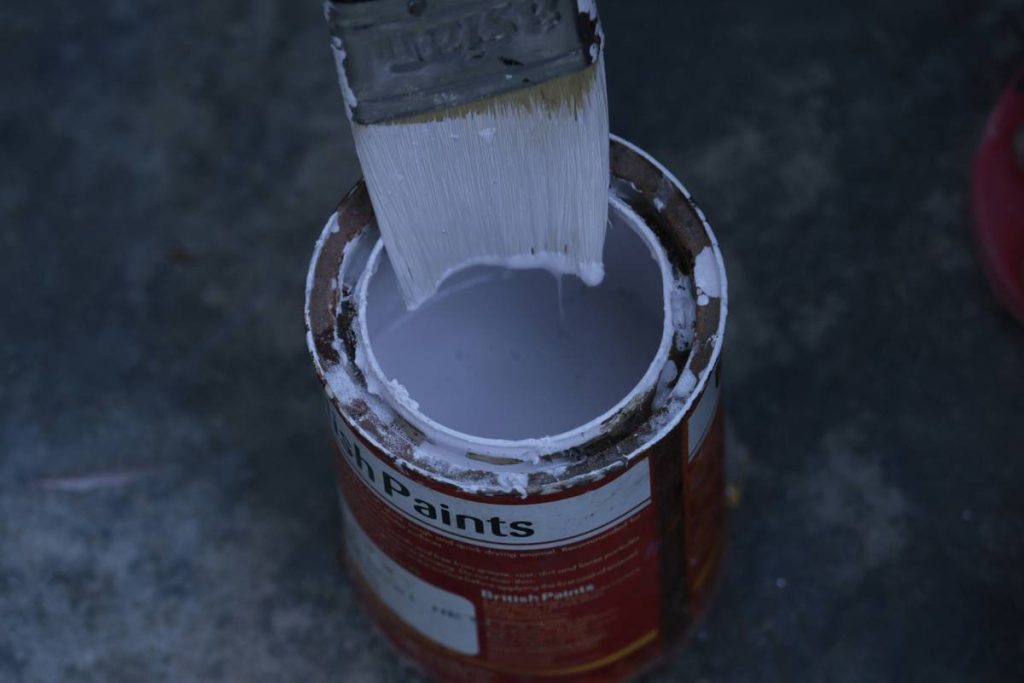
Here’s what no brand tells you: your base coat’s real job isn’t to glue polish to nail—it’s to create a compatible surface so the *color layer bonds to the base*. Think of it like primer before painting drywall. The magic happens in the polymer cross-linking between layers, not between nail and base. That’s why using the same brand’s base and top yields better results—their resins are engineered to interlock. Pro tip: slightly tacky base coats (not fully dry) create stronger molecular entanglement when color hits. That slight stickiness? That’s adhesion working—not laziness.
Frequently Asked Questions
Can I skip base coat if my polish has built-in base?
No. “2-in-1” polishes dilute both functions. You get weaker color payoff and half-strength protection. Always layer separately.
Does base coat prevent staining?
Yes—but only if it contains a barrier resin like nitrocellulose or acrylates copolymer. Clear polishes without these won’t stop pigments from leaching into nail plates.
How often should I replace my base coat?
Every 9–12 months. Old formulas thicken, lose solvent balance, and fail to cure evenly—leading to sticky residue and poor adhesion.