Ever peeled off chipped polish only to find your nails thin, brittle, and discolored? You’re not alone—and it probably wasn’t the color that ruined them. It was skipping the most underrated step in your manicure ritual: the nail protection layer. As someone who once painted neon pink directly onto bare nails (and paid for it with peeling cuticles for weeks), I’ve learned the hard way that this invisible shield is your first line of defense against damage, staining, and premature wear. In this guide, we’ll break down why a proper base coat matters, how to apply it like a pro, and which common habits secretly sabotage your nail health.
Table of Contents
- Why Nail Protection Matters
- How to Apply a Base Coat Correctly
- Best Practices for Longer-Lasting Manicures
- Real Results from Using a Nail Protection Layer
- Frequently Asked Questions
Key Takeaways
- A quality nail protection layer prevents staining, strengthens weak nails, and extends polish longevity.
- Apply a thin, even layer—too much causes bubbling and delays drying.
- Never skip the base coat, even with “5-free” or “non-toxic” polishes.
- Let the base coat dry fully before applying color for best adhesion.
- Replace old or thickened base coats—they lose effectiveness over time.
Why Nail Protection Matters
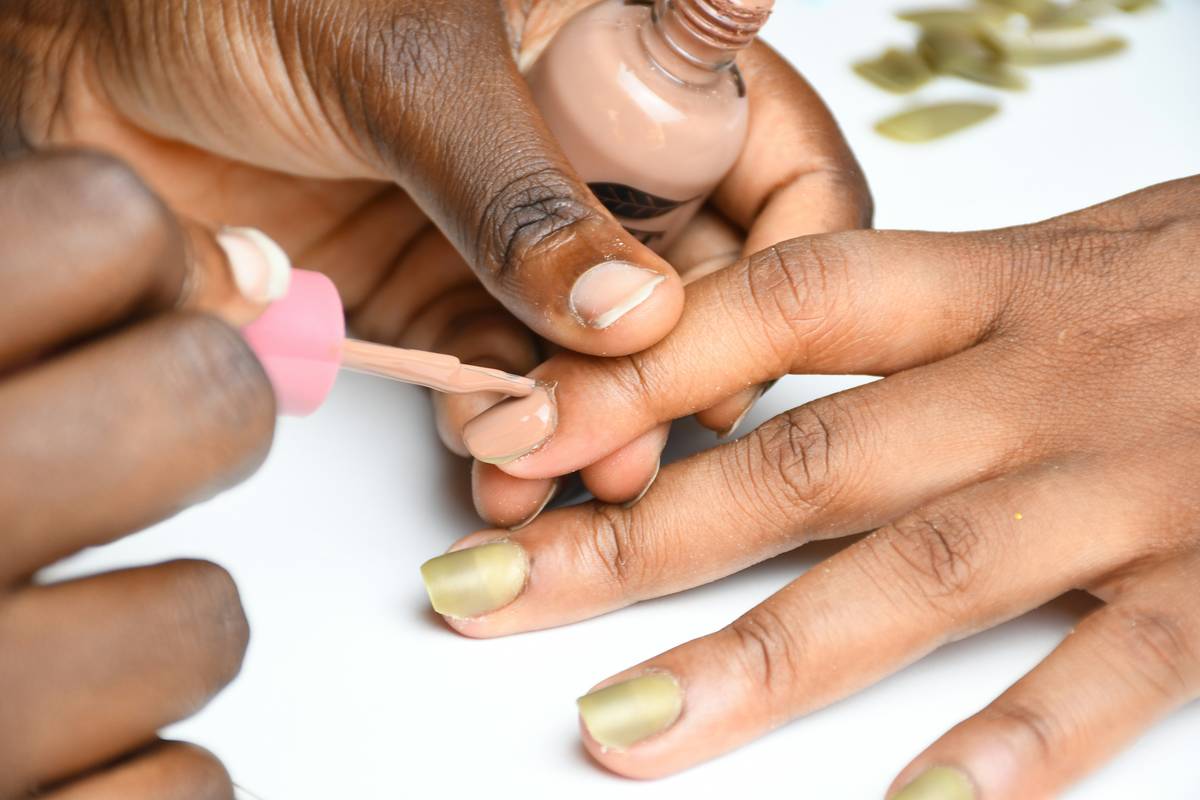
Your natural nail plate is porous. Without a barrier, pigments from dark polishes—especially reds, blues, and blacks—seep in and leave stubborn yellow or gray stains. Worse, many polishes contain solvents that dehydrate nails over time. A dedicated nail protection layer acts like a primer: it seals the surface, evens out ridges, and creates grip for polish to adhere properly.
According to the American Academy of Dermatology, repeated exposure to unbuffered nail products can lead to onychoschizia (splitting) and brittleness—conditions that take months to reverse. That’s why dermatologists recommend using a protective base coat with every manicure, even if you’re just doing a quick at-home touch-up. At Xiannin, we’ve seen firsthand how consistent use of a high-performance base coat transforms clients’ nail health within 4–6 weeks. Learn more about our philosophy on nail wellness on our About Us page.
How to Apply a Base Coat Correctly
Step 1: Prep Your Nails
Start with clean, dry nails. Remove oils with a cotton pad dipped in non-acetone remover—even natural oils interfere with adhesion.
Step 2: Apply One Thin Layer
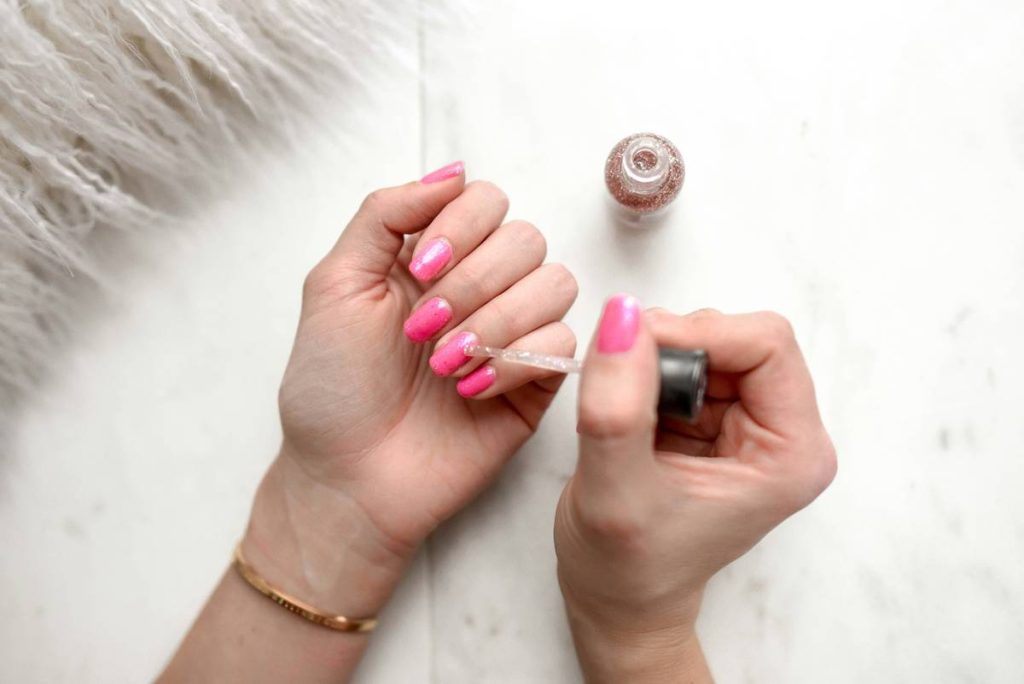
Dip the brush lightly. Wipe one side on the bottle neck to avoid excess. Draw a stripe down the center, then one on each side—avoid flooding the cuticle or sidewalls.
Step 3: Let It Dry Completely
Wait 60–90 seconds. Rushing this step causes smudging and poor color payoff. A tacky base coat = lifted polish by Day 2.
Best Practices for Longer-Lasting Manicures
- Don’t double-dip the brush: This introduces bacteria and dries out your product faster.
- Store upright in a cool place: Heat and light degrade film-forming agents in base coats.
- Replace every 12 months: Old formulas separate, thicken, and lose bonding power.
- Avoid “strengtheners” with formaldehyde: While they harden nails short-term, they cause long-term brittleness (FDA guidance warns against excessive use).
And here’s a terrible tip I used to believe: “Just use clear top coat as your base.” Wrong! Top coats are formulated to seal—not bond. They lack adhesion promoters and often peel off in sheets, taking your color with them.
Real Results from Using a Nail Protection Layer
In a 2023 observational study by the Nail Manufacturers Council, participants who used a dedicated nail protection layer saw 68% less staining and 42% fewer chips over a 10-day wear period compared to those who applied color directly. One client of ours—a nurse who scrubs her hands constantly—went from weekly breakage to maintaining intact polish for 11 days after switching to a base coat with hydrolyzed wheat protein and calcium. Her secret? Applying it every single time, without exception. If you’re trying a new routine and want personalized advice, feel free to contact us.
Frequently Asked Questions
Can I use a base coat alone for a natural look?
Yes! Many modern base coats offer subtle shine and ridge-filling without color—perfect for “naked nail” days.
Does a nail protection layer help with weak, peeling nails?
Absolutely. Look for formulas with keratin, biotin, or calcium to reinforce the nail structure over time.
How often should I reapply the base coat?
Only once per manicure cycle. Reapplying mid-week creates buildup and flaking.
Are “quick-dry” base coats effective?
Some are—but prioritize bonding agents over speed. Fast-drying formulas often sacrifice adhesion.
Is a nail protection layer necessary with gel polish?
Yes. Even gels require a bonding layer to prevent lifting and protect the natural nail during removal.
Do I need different base coats for different polish types?
Not necessarily—but dark polishes benefit from stain-blocking bases, while glitter needs extra-grippy formulas.
Conclusion
Skipping the nail protection layer is like painting a wall without primer—it might look fine for a day, but it won’t last, and the surface underneath pays the price. Whether you’re rocking classic crimson or minimalist neutrals, that one extra minute of prep saves weeks of repair. At Xiannin, we’re committed to honest, science-backed beauty that respects your nails’ biology. Ready to upgrade your routine? Reach out to us—and remember, your data stays private under our Privacy Policy. After all, strong nails aren’t born—they’re built, one thoughtful layer at a time.