Chips by day two. Stains after one wear. Weak, peeling nails that never seem to grow past the quick. Sound familiar? You’re not lazy—you’re just skipping the invisible armor every pro swears by. Enter the nail defense coat: not a luxury, but the non-negotiable foundation your polish routine is missing.
The Base Coat Lie Everyone Believes
Most base coats are glorified glue—sticky, fast-drying, and zero protection. They claim to “strengthen,” but peel off with your color in 72 hours. Worse, some contain formaldehyde resins that dry out nails long-term. And drugstore formulas? Often thicken within weeks, leaving streaks instead of shields.
Here’s the reality: if your base doesn’t actively defend against pigment staining, UV yellowing, and mechanical stress, it’s decorative—not functional.
How to Apply a Nail Defense Coat That Actually Works
Step 1: Prep Like a Pro (Not a Passenger)
Wash hands. Dry thoroughly. Gently buff ridges—no sanding! Wipe each nail with 70% isopropyl alcohol on a lint-free pad. This removes oils traditional cleaners miss. Skipping this? Your defense coat floats on grease, not bonds to keratin.
Step 2: The Two-Coat Defense Strategy
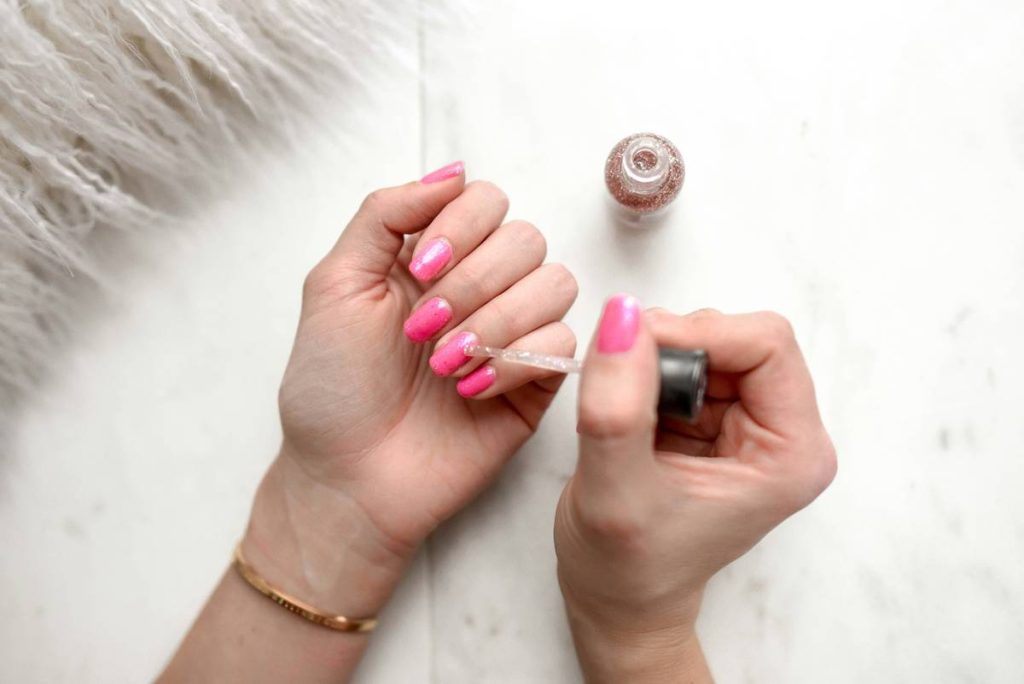
Apply a thin first layer of your nail defense coat. Let it tack-dry 60 seconds. Then—here’s the industry twist—seal the free edge like you’re varnishing wood. Cap the tip vertically. This stops water ingress and micro-chipping at the most vulnerable point.
Step 3: Layer Smart—Not Thick
Never glob on product. Thick coats trap solvents, delaying cure and causing shrinkage cracks. Use three hair-thin layers across base, mid, and tip zones. Wait 90 seconds between each. Patience here prevents peeling later.
| Defense Method | Longevity Boost | Stain Prevention | Cost per Application |
|---|---|---|---|
| Standard clear base coat | +1–2 days | Minimal | $0.15 |
| Nail defense coat (bonding + barrier) | +5–7 days | High (blocks dyes & UV) | $0.28 |
| No base at all | Baseline (0) | None | $0.00 |
The Salon Secret They Won’t Tell You
Top nail techs don’t just use a defense coat—they rotate two types based on the polish formula. Dark, pigmented shades (burgundy, navy, black) demand a white-tinted or titanium dioxide–infused base. Why? These pigments bleed fastest. A sheer clear base can’t block them. Light polishes? Clear defense coats suffice. But for neon or glitter? Add a ridge-filler hybrid underneath your nail defense coat to prevent snagging. It’s not overkill—it’s physics.
FAQ
What’s the difference between a base coat and a nail defense coat?
A base coat merely improves adhesion. A nail defense coat actively blocks stains, UV yellowing, and moisture damage while reinforcing nail structure.
Can I use top coat as a base coat in a pinch?
No. Top coats lack bonding agents for natural nails and won’t prevent staining. You’ll get faster chipping and potential discoloration.
How often should I replace my nail defense coat?
Every 4–6 months. Once it thickens, separates, or smells vinegary, its protective polymers have degraded—rendering it useless.