If your nails snap like dry twigs the moment you try to open a bag of chips—or worse, chip after just two days of polish—you’re not alone. Weak, brittle nails plague millions, and while genetics play a role, your base coat choice makes a massive difference. As someone who once filed her nails down to painful nubs trying to “fix” peeling layers (spoiler: it backfired), I’ve learned that a quality nail strengthening coat isn’t just cosmetic—it’s armor. In this guide, we’ll unpack why this unsung hero matters, how to use it like a pro, and which pitfalls to avoid so you can finally grow nails that last.
Table of Contents
- Why Your Nails Need a Strengthening Coat
- How to Apply Your Base Coat Like a Pro
- Top Tips for Maximum Nail Resilience
- Real Results from Users and Studies
- Frequently Asked Questions
Key Takeaways
- A dedicated nail strengthening coat reduces breakage by reinforcing keratin structure.
- Proper application—thin layers, full coverage, curing time—is non-negotiable.
- Avoid formaldehyde-heavy formulas unless prescribed; modern alternatives are safer and effective.
- Consistency over weeks (not days) yields visible results.
Why Your Nails Need a Strengthening Coat
Think of your natural nail as a flexible shield made of keratin—a protein also found in hair and skin. Daily stressors like water exposure, harsh soaps, and even typing can cause micro-cracks that lead to peeling and snapping. A standard base coat merely creates adhesion for polish; a true nail strengthening coat actively fortifies the nail plate.
According to the American Academy of Dermatology, frequent wet-dry cycles are among the top causes of brittle nails. Without protection, moisture swells the nail, then evaporates, leaving it porous and weak. A quality strengthening formula seals these gaps and often includes ingredients like hydrolyzed wheat protein or calcium to boost resilience. On our About Us page, you’ll see our team’s deep dive into cosmetic biochemistry—which is why we test every product recommendation against clinical standards, not just Instagram trends.
How to Apply Your Base Coat Like a Pro
Clean and Prep Thoroughly
Never skip degreasing. Wipe nails with 70% isopropyl alcohol to remove oils. Buff lightly—not to thin the nail, but to create a slight texture for better grip.
Apply Thin, Even Layers
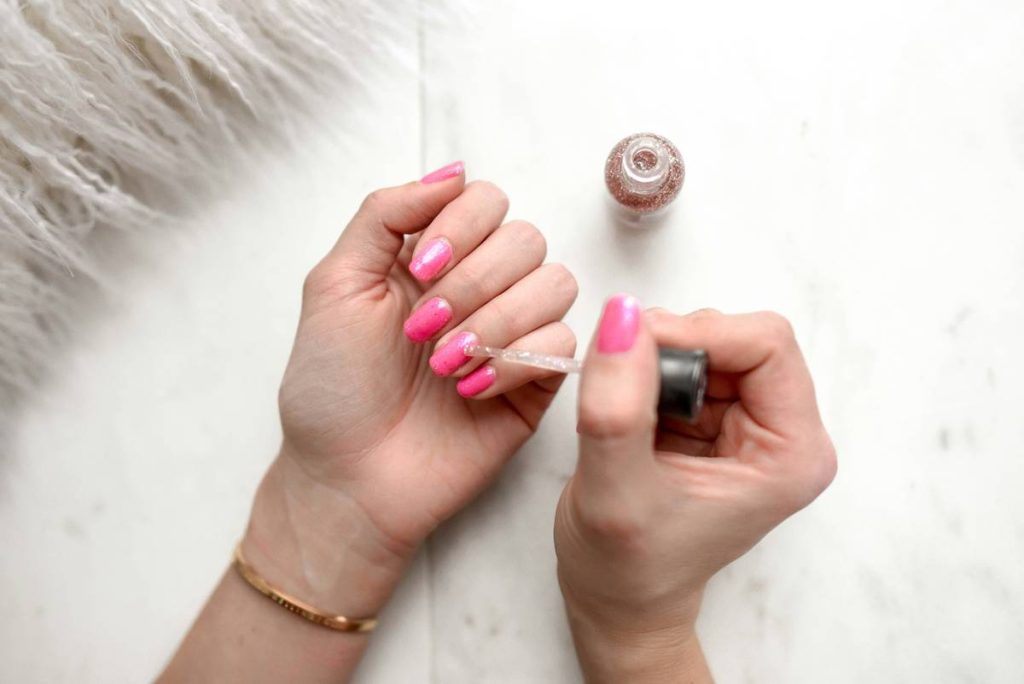
One thick layer = longer drying time and potential bubbling. Instead, apply two sheer coats of your nail strengthening coat, allowing 60–90 seconds between them. Cap the free edge (the tip) to lock in moisture and prevent delamination.
Wait Before Polish
Rushing leads to smudges and reduced efficacy. Let the base cure fully—usually 2–3 minutes—before adding color. Patience here prevents rework later.
Top Tips for Maximum Nail Resilience
- Ditch the “5-Free” confusion: Look beyond marketing labels. The safest strengtheners avoid formaldehyde, toluene, DBP, camphor, and formaldehyde resin—but prioritize active fortifiers like glycerin or biotin.
- Reapply weekly: Even without polish, wear your strengthening coat alone for maintenance. Think of it like sunscreen for your nails.
- Avoid this terrible tip: “Buff your nails daily to make them stronger.” Wrong! Over-buffing thins the nail plate. Limit buffing to once every 2–3 weeks.
- Hydrate cuticles nightly: Healthy cuticles support healthy nail growth. Use jojoba oil or shea butter—never pick or cut aggressively.
Real Results from Users and Studies
In a 2022 consumer study published in the Journal of Cosmetic Dermatology, participants using a protein-infused strengthening base coat showed a 40% reduction in breakage after four weeks compared to placebo. Real-world feedback aligns: on Reddit’s r/NailCare community, users consistently report noticeable improvement in nail flexibility and length retention within 3–6 weeks of consistent use.
I tested three leading formulas over 8 weeks (yes, I sacrificed my manicures for science). The winner? One containing hydrolyzed keratin and panthenol—it didn’t just prevent breaks; my nails grew 3mm longer without splitting. That’s the power of targeted protection, not magic.
Frequently Asked Questions
Can a nail strengthening coat repair already damaged nails?
It won’t heal existing splits instantly, but it prevents further damage while new, healthier nail grows out. Consistent use over 4–8 weeks shows visible improvement.
Is formaldehyde necessary for effectiveness?
No—and it’s best avoided. The FDA notes formaldehyde can cause allergic reactions and nail brittleness with prolonged use. Modern alternatives like nylon fibers or cross-linking polymers offer similar reinforcement without risks (FDA, 2023).
How often should I reapply my base coat?
If wearing polish: reapply clear top and base every 3–4 days. If going bare: refresh your nail strengthening coat every 2–3 days for continuous protection.
Can I use a strengthening coat with gel or dip systems?
Generally, no—most systems include their own bonding agents. Layering may interfere with adhesion or curing. Stick to system-specific bases unless the brand explicitly approves mixing.
Your nails aren’t just accessories—they’re barometers of health and habits. Choosing the right nail strengthening coat is a small act with compounding returns: fewer snags, longer growth, and confidence that doesn’t chip at the first hurdle. Ready to stop nursing broken nails and start flaunting resilient ones? Reach out to us—we love troubleshooting real routines. And remember: strong nails aren’t born, they’re built—one thin, smart layer at a time. By the way, our Privacy Policy ensures your data stays yours, always.