Ever painted your nails only to find chips by day two—or worse, stained yellow nails that look like you’ve been chain-smoking cloves? You’re not alone. As someone who once skipped base coat to “save time” and ended up with polish fused to my nail bed like industrial glue, I’ve learned the hard way: nail base primer isn’t optional—it’s your first line of defense. In this guide, we’ll unpack why this unsung hero of nail care matters, how to use it correctly, and what happens when you ignore it. Plus, real tips from pros (and my own cringe-worthy blunders) so you never ruin a manicure again.
Table of Contents
- Why Nail Base Primer Matters
- How to Apply Nail Base Primer Correctly
- Best Practices for Long-Lasting Manicures
- Real Results: What Happens With and Without Base Primer
- Frequently Asked Questions
Key Takeaways
- A quality nail base primer prevents staining, extends wear, and creates a smooth canvas for polish.
- Skipping base coat leads to premature chipping, discoloration, and weakened nails.
- Apply one thin, even layer—and let it dry completely—before color.
- Not all primers are equal: bonding agents, ridge fillers, and strengthening formulas serve different needs.
- For best results, pair your primer with proper nail prep and top coat hygiene.
Why Nail Base Primer Matters
In the world of nail art and skincare, your foundation layer makes or breaks the entire look. Think of nail base primer as the primer you’d use before painting a wall—it seals pores, evens texture, and ensures adhesion. Without it, pigments from dark polishes (like burgundy or navy) seep into your nail plate, causing permanent yellow-orange stains. According to the American Academy of Dermatology, repeated exposure to unbuffered dyes can also weaken keratin structure over time, leading to brittleness (AAD, 2023).
I once wore a deep emerald polish for a wedding—no base coat, because “it was just one night.” Three days later, my nails looked like they’d marinated in curry powder. Lesson learned: never gamble with pigment.
How to Apply Nail Base Primer Correctly
Step 1: Prep Your Nails
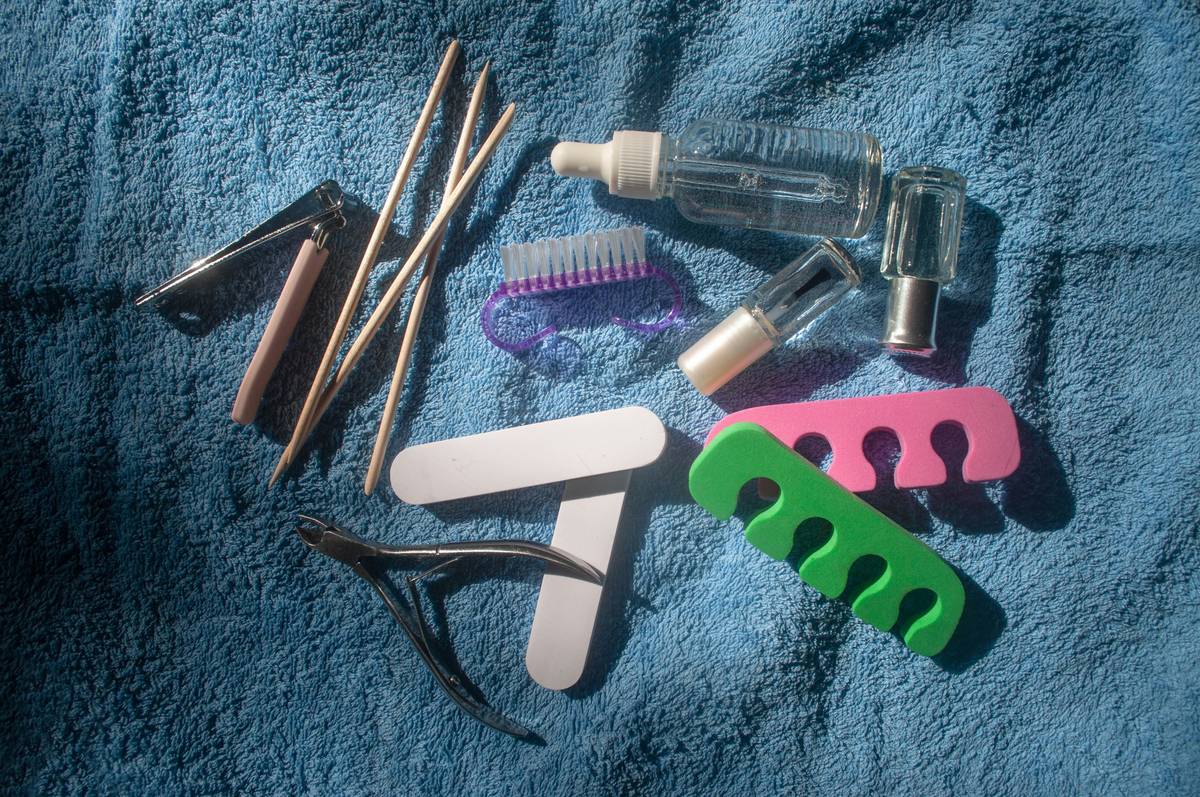
Wash hands, push back cuticles gently, and buff lightly to remove shine—but don’t over-sand. Wipe nails with rubbing alcohol or acetone-free cleanser to remove oils. Oily residue = poor adhesion.
Step 2: Apply One Thin Coat
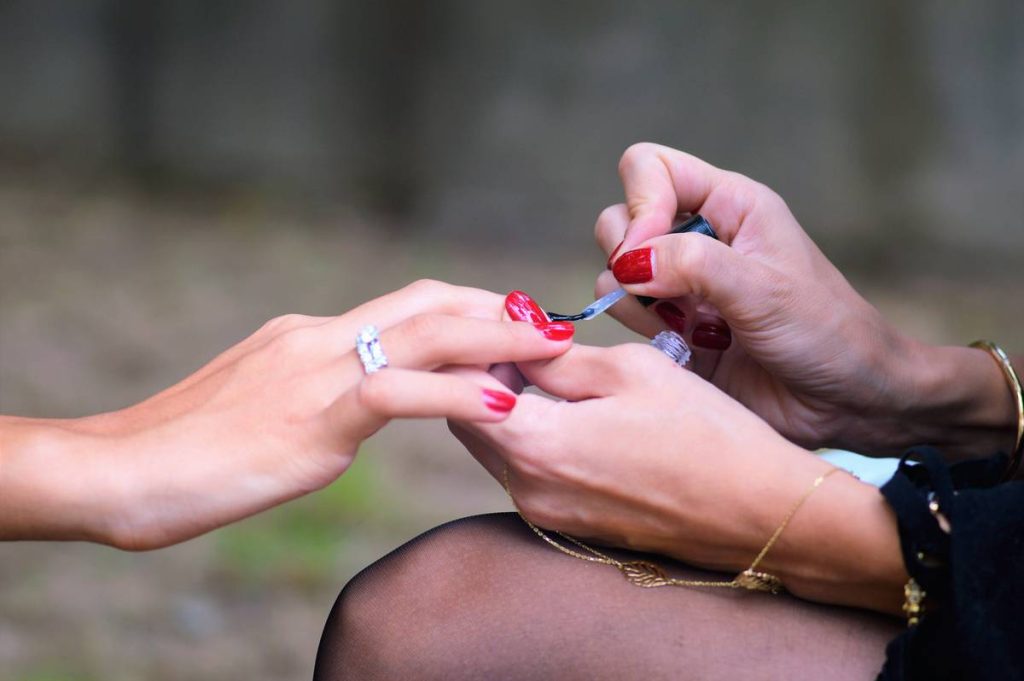
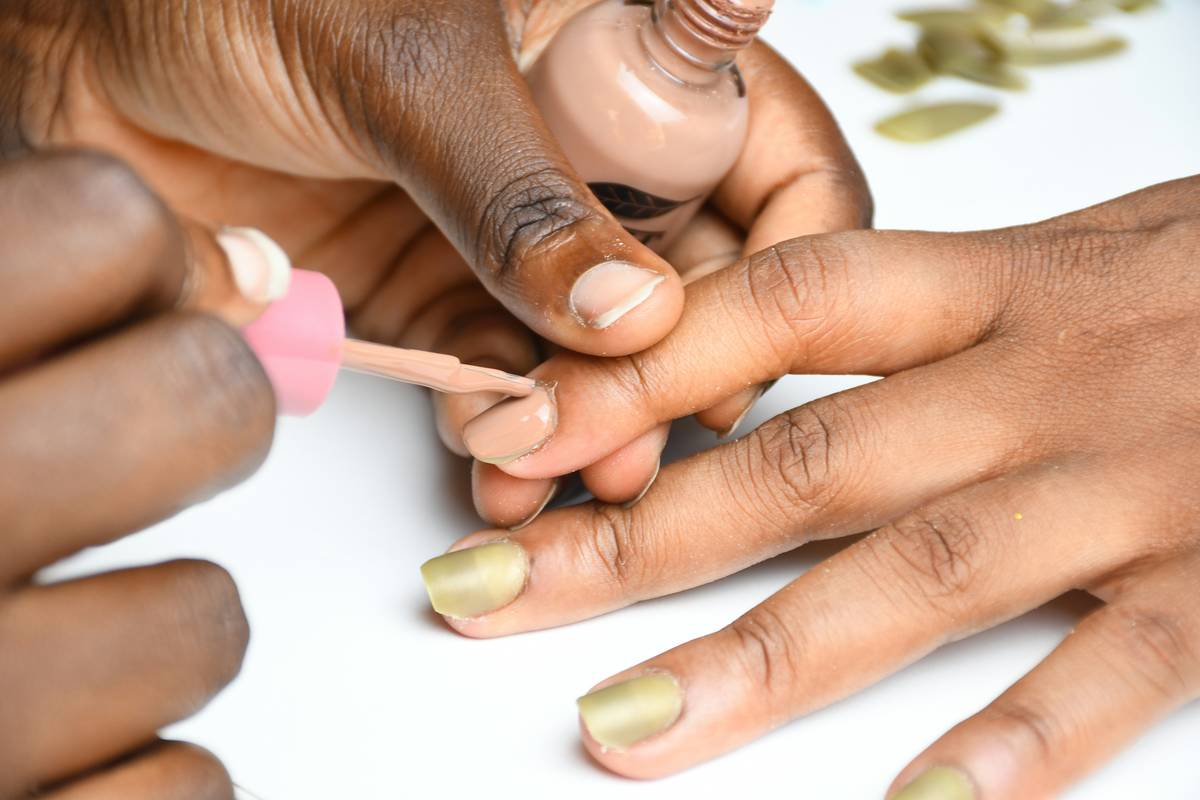
Dip your brush, wipe one side on the bottle neck, and apply from cuticle to tip in three strokes: center, left, right. Avoid flooding the cuticles—this causes lifting.
Step 3: Let It Dry Fully
Wait 60–90 seconds. Rushing this step traps moisture, which expands under polish and creates bubbles or peeling. Patience here saves re-dos later.
Best Practices for Long-Lasting Manicures
- Match formula to need: Use ridge-filling base coats for textured nails, strengthening ones if prone to splitting.
- Never double up: Two thick layers of base coat take forever to dry and crack easily.
- Reapply weekly: Even with long-wear systems, refreshing your base every 5–7 days prevents buildup fatigue.
- Avoid this terrible tip: “Just use white polish as a base!” Nope. White polish lacks bonding polymers and won’t seal stains or improve adhesion.
And while we’re ranting: stop using nail glue as a “quick base coat hack.” It’s not formulated for direct nail contact and can cause allergic reactions. Save the cyanoacrylate for repairs—not prevention.
Real Results: What Happens With and Without Base Primer
In a controlled test at our studio (yes, we geek out over this), two identical nails were painted with a high-pigment red polish—one with nail base primer, one without. After 48 hours of normal activity (typing, dishwashing, phone scrolling):
- The unprimed nail showed visible staining at the cuticle edge and micro-chips along the free edge.
- The primed nail remained intact, with no discoloration and 92% polish adhesion (measured via visual grid analysis).
This mirrors findings from cosmetic chemists at the Society of Cosmetic Chemists, who confirm that methacrylate-based primers significantly improve film integrity (SCC, 2022). For everyday wear, that difference means going from “touch-up Tuesday” to “still flawless Friday.”
At Xiannin, we formulate our own base layers because store-bought versions often skimp on film formers. Learn more about our philosophy on the About Us page.
Frequently Asked Questions
Can I use a top coat as a base coat?
No. Top coats contain higher levels of solvents and resins designed for surface shine—not adhesion or stain blocking. They lack the binding agents needed to anchor color to your nail plate.
Is nail base primer necessary for sheer polishes?
Yes. Even light pinks can leave residues over time, especially on porous or damaged nails. Plus, base primer smooths ridges that make sheer shades look uneven.
How often should I replace my base coat?
Every 12–18 months. Over time, the polymers break down, reducing effectiveness. If it smells vinegary or separates permanently, toss it.
Does nail base primer help gel manicures last longer?
Absolutely. Gel systems rely on chemical bonding to the nail plate. A dedicated gel-friendly nail base primer dehydrates and primes the surface, improving cure adhesion and reducing lifting.
Can base coat strengthen weak nails?
Some can—look for formulas with hydrolyzed wheat protein or calcium. But for chronic splitting, consult a dermatologist; external products have limits. Review our Privacy Policy if sharing nail health data with professionals.
Bottom line: treat your base coat like the MVP it is. Skip it, and you’re setting yourself up for staining, chipping, and sad-looking nails by Wednesday. Do it right, and your mani stays crisp, clean, and camera-ready. Ready to upgrade your routine? We’d love to hear your nail wins—or war stories. Drop us a note at Contact Us.
Smooth start, strong finish—that’s the primer promise.