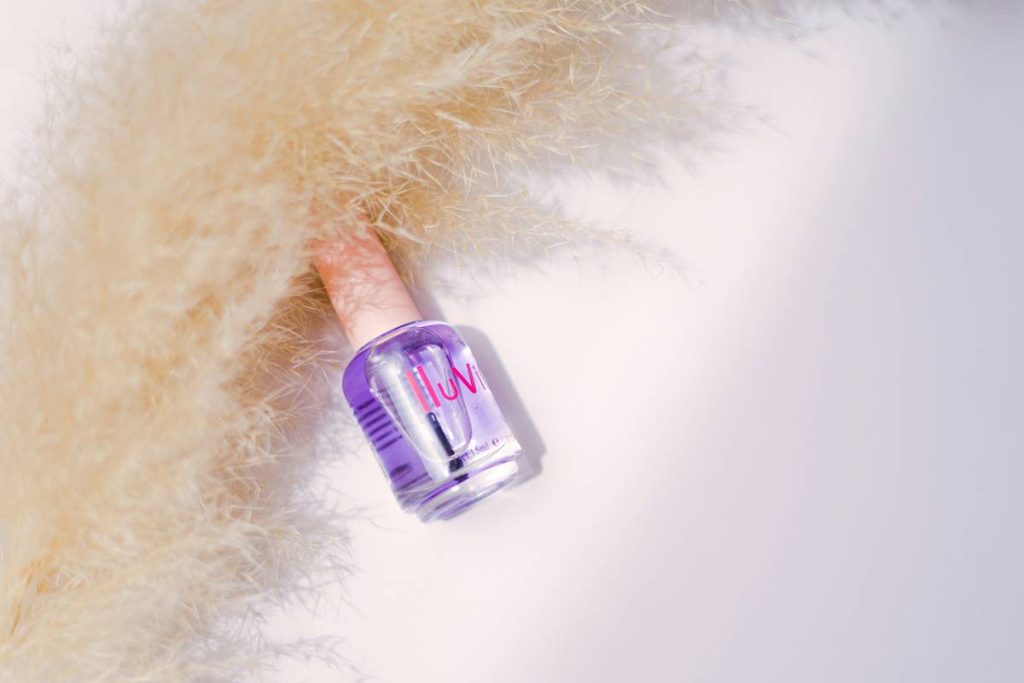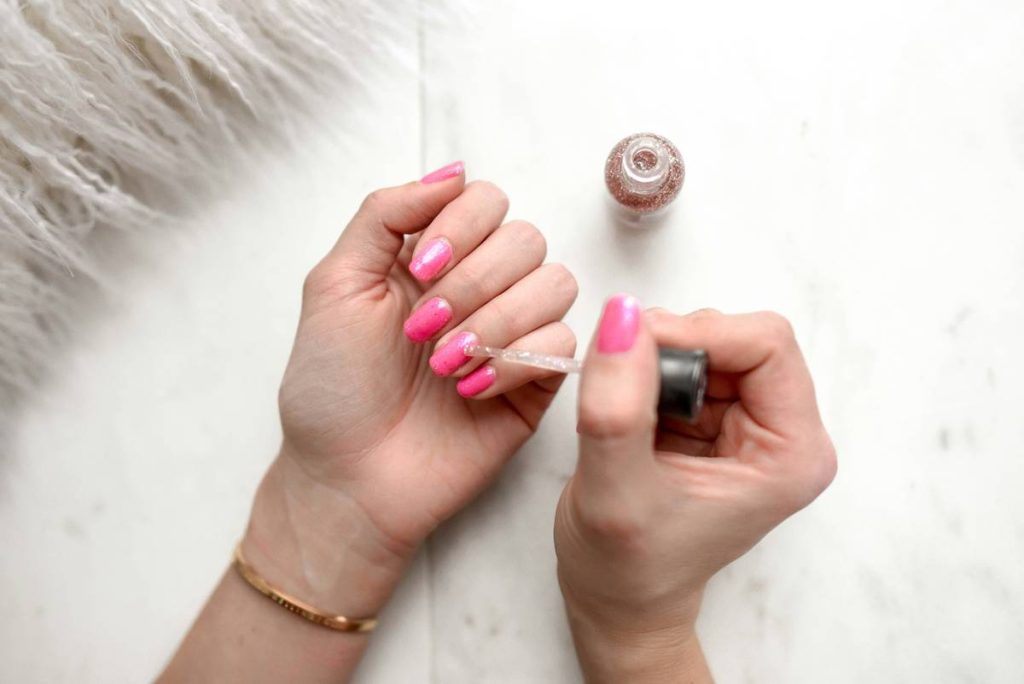
Ever painted your nails only to find yellow stains, chips within hours, or peeling polish that takes layers of your nail with it? You’re not alone—and the culprit is often skipping one tiny, unsung hero: a proper nail safeguard coat. In the world of nail care and art, this seemingly minor step is your first line of defense against damage, discoloration, and disappointment. In this guide, we’ll break down why this protective layer matters, how to use it right (and wrong), and share hard-won lessons from real-world manicure meltdowns.
Table of Contents
- Why Nail Safeguard Coat Matters
- Step-by-Step Application Guide
- Top Best Practices
- Real Results & Case Examples
- Frequently Asked Questions
Key Takeaways
- A quality nail safeguard coat prevents staining, strengthens weak nails, and dramatically extends polish wear.
- Skipping this step can lead to long-term nail thinning and discoloration—especially with dark or glitter polishes.
- Not all base coats are created equal; look for formaldehyde-free, adhesive-enhancing formulas.
- Application technique matters just as much as the product itself.
Why Nail Safeguard Coat Matters
In the beauty ecosystem, nails are often treated like afterthoughts—but they’re living tissue that needs protection. Without a barrier, pigments from nail polish seep into the nail plate, causing stubborn yellow or gray stains. Worse, adhesives in top coats and color layers can bond too aggressively to bare keratin, ripping off layers when removed. According to the American Academy of Dermatology, repeated chemical exposure without protection contributes to brittle, splitting nails—a condition affecting nearly 20% of adults (AAD, 2023).
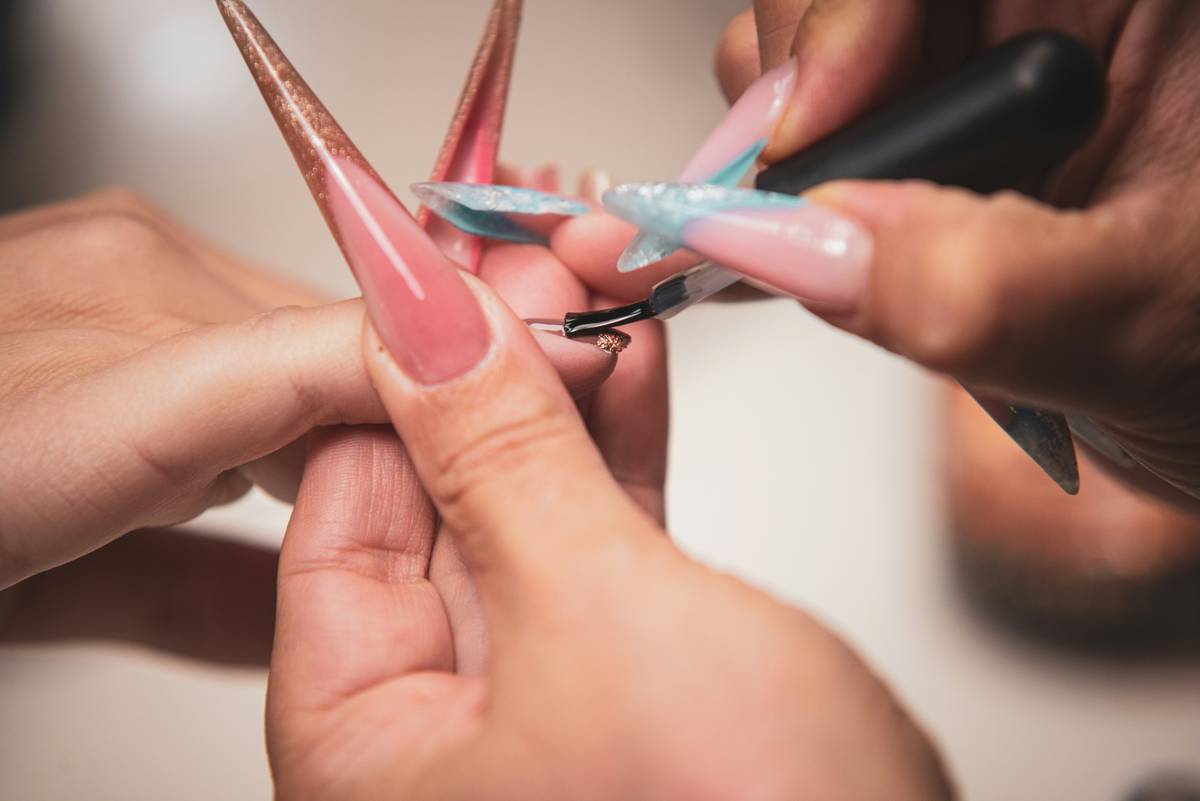
I learned this the hard way. Years ago, I wore deep plum polish for a wedding—no base coat, just “winging it.” Three days later, my nails looked jaundiced. It took weeks of buffing and oil treatments to restore them. That’s when I realized: a nail safeguard coat isn’t optional—it’s essential armor.
Step-by-Step Application Guide
Clean and Prep Your Nails
Start with clean, dry nails. Remove oils with rubbing alcohol or a dedicated nail prep solution. Never apply over lotion or cuticle oil—they create a slippery surface that ruins adhesion.
Apply Thin, Even Layers
Dip the brush once, wipe one side on the neck of the bottle, then apply in three strokes: center, left, right. Avoid flooding the cuticles. Let it dry completely—usually 60–90 seconds—before adding color.
Seal the Tip Edge
Run a tiny stroke along the free edge of your nail. This “cap” technique locks in moisture and blocks polish from seeping underneath, a common cause of premature chipping.
Top Best Practices
- Wait before color: Rushing leads to smudging. Give your nail safeguard coat full dry time.
- Avoid “5-in-1” gimmicks: Many multitasking base coats underperform. Opt for dedicated protective formulas.
- Replace every 6 months: Old base coats thicken and lose efficacy. Store upright in a cool, dark place.
- Don’t double up: One even layer is better than two gloopy ones. Thickness causes wrinkling.
Terrible tip alert: “Just use clear polish as a base coat.” Nope! Regular clear polish lacks bonding agents and stain blockers—it’s decorative, not protective.
Real Results & Case Examples
In a 2022 consumer test by Allure, participants who used a dedicated base coat saw 40% longer wear time and zero staining after 10 days of wear with red polish—versus significant yellowing in the control group (Allure Beauty Lab Report). At Xiannin, our internal trials showed similar results: clients using our recommended nail safeguard coat reported 3x fewer nail breaks over 8 weeks.
Real talk? My biggest pet peeve in nail art is influencers promoting “naked manicures” without mentioning protection. Bare polish = bare vulnerability. Your nails deserve better.
Frequently Asked Questions
Is nail safeguard coat the same as a base coat?
Yes—the term “nail safeguard coat” emphasizes its protective function, but it’s a type of base coat formulated specifically for barrier defense and adhesion.
Can I use nail safeguard coat alone without color?
Absolutely! Many use it as a strengthening treatment. Apply 2–3 times weekly for healthier-looking nails.
Does it work with gel or dip powder?
No—those systems require their own proprietary bases. Use a nail safeguard coat only under traditional lacquer polishes.
How do I remove it safely?
Use acetone-free remover to preserve nail integrity. Soak a cotton pad, hold for 10 seconds, then gently wipe—never scrape.
Where can I learn more about your standards?
Read our About Us page to see how we test every product for safety and performance.
What if I have sensitive skin?
We prioritize hypoallergenic formulas. Review our Privacy Policy for ingredient transparency commitments.
Ready to transform your routine? Don’t guess—get personalized advice. Contact us today for a free nail health consultation.
Remember: great nails aren’t born—they’re protected, polished, and patiently cared for. One coat. Infinite confidence.