You spent $20 on luxury polish. You followed every tutorial. Yet by day two, your manicure chips, peels, or lifts like it never stood a chance. The problem isn’t your skill—it’s what you skipped before the color even touched your nail. Most people treat base coats as optional. They’re not. A true nail base foundation is the invisible architecture holding your entire look together.
Most Base Coats Are Cosmetic Theater—Not Real Protection
Let’s be blunt: drugstore “base coats” often do little more than add a glossy layer. They don’t bond. They don’t seal ridges. They don’t stop staining. And they certainly don’t extend wear beyond 48 hours. Why? Because they’re formulated for cost—not performance.
Here’s the reality: nails are porous, uneven, and chemically reactive. Without a genuine foundation that creates adhesion and blocks pigment penetration, polish sits *on* the nail—not *with* it. Friction, moisture, and daily impact exploit that weak interface instantly.
How to Build a Lasting Nail Base Foundation—Step by Step
Forget slapping on one coat and calling it done. Real longevity starts with preparation. This isn’t about extra time—it’s about smarter chemistry.
Prep Like a Pro: Clean, Dehydrate, Prime
Wash hands thoroughly. Then wipe each nail with 99% isopropyl alcohol—no lotions, no oils, no residue. Let dry completely. Skipping this invites early failure. Your nail must be a blank, dry canvas.
Choose a Functional Base—Not Just a Pretty Bottle
Look for ingredients like hydroxypropyl chitosan (for grip), calcium carbonate (to fill ridges), and film-forming polymers (like nitrocellulose). Avoid bases loaded with plasticizers—they soften polish over time, causing cracks.
Apply Thin, Even, and Edge-Sealed
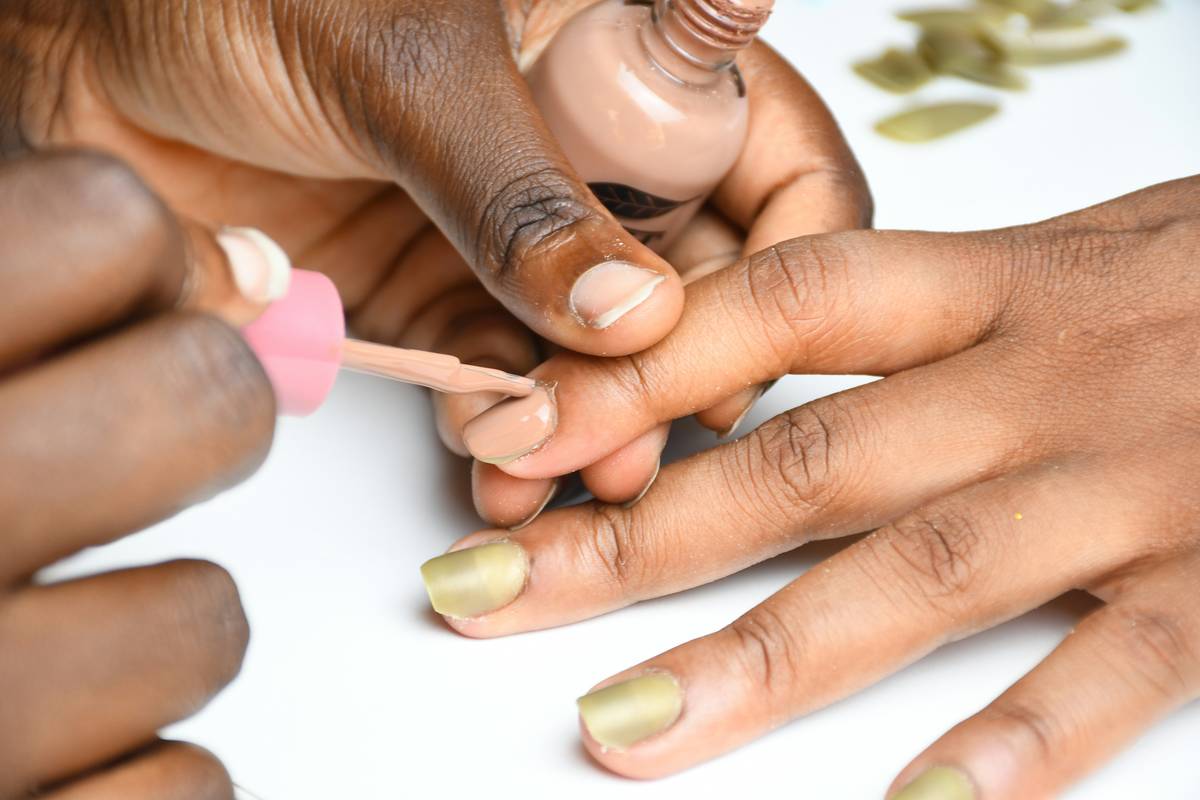
One thick coat traps solvents and delays curing. Apply two ultra-thin layers instead. Crucially—wrap the tip edge. That tiny move prevents water ingress, the #1 cause of lifting.
| Type of Base Product | Adhesion Level | Ridge-Filling Ability | Stain Protection | Avg. Wear Extension |
|---|---|---|---|---|
| Basic Clear Polish | Low | None | Poor | +0–1 day |
| Drugstore Base Coat | Moderate | Light | Fair | +2–3 days |
| Professional Nail Base Foundation | High | Strong | Excellent | +5–7 days |
| Bonding Primer (Acid-Free) | Very High | Minimal | Good | +6–8 days |
The Industry Secret: Your Base Should Work Backwards
Most brands design base coats to cling to polish. Big mistake. The real physics of adhesion demand the opposite: your nail base foundation must anchor *first* to the keratin plate—and only then accept polish. Salon techs know this. That’s why pro systems use dual-phase bonding: a dehydrating primer followed by a cross-linking base. But here’s a hack for home users—use a ridge-filler base *overnight* as a treatment. Let it cure fully. Then apply your color the next morning over a fresh thin layer. The cured base acts like a primed wall—smooth, sealed, and ready to hold pigment without compromise. This trick alone can double wear time.
Frequently Asked Questions
Can I skip base coat if my polish has strengthening claims?
No. “2-in-1” polishes sacrifice performance in both categories. Strength needs time to bond—color application doesn’t allow that. Always layer separately.
How long should I wait after applying nail base foundation before adding color?
Wait until it’s dry to the touch—usually 60–90 seconds. Rushing causes bubbling and poor adhesion between layers.
Does nail base foundation prevent yellowing from dark polishes?
Yes—but only if it contains a true barrier polymer. Look for “stain shield” or “pigment blocker” on the label. Cheap bases won’t cut it.