Your polish chips in two days. Your nails peel like old wallpaper. You blame the brand, the weather, even your typing habits. But the real culprit? Skipping the protective nail layer. It’s not just “another step”—it’s the invisible shield that decides whether your manicure lasts a week or a weekend.
The Core Problem: Why Standard Base Coats Aren’t Enough
Most drugstore “base coats” are glorified primers—thin, watery, and useless against moisture, impact, or chemical exposure. They sit *on* the nail, not *with* it.
And that’s fatal.
Nails aren’t inert surfaces. They breathe. They flex. They absorb humidity like sponges. Apply color directly—or with a weak base—and you’re inviting staining, delamination, and structural fatigue. The result? Brittle edges, white spots, and polish that lifts at the cuticle line by Wednesday.
How to Build a True Protective Nail Layer (Step-by-Step)
Forget one-and-done formulas. Real protection is built in phases—like armor plating.
Select Your Weapon: Not All Base Coats Are Equal
Look for keratin, calcium, or hydrolyzed wheat protein—not just “film-forming agents.” If the ingredients list ends after five items, walk away.
Prep Like a Pro—Skip This and Everything Crumbles
Clean nails with 99% isopropyl alcohol. No oil. No lotion residue. Just bone-dry, slightly matte surface. Buff lightly—only enough to remove shine, not thickness.

Application Technique Matters More Than Brand
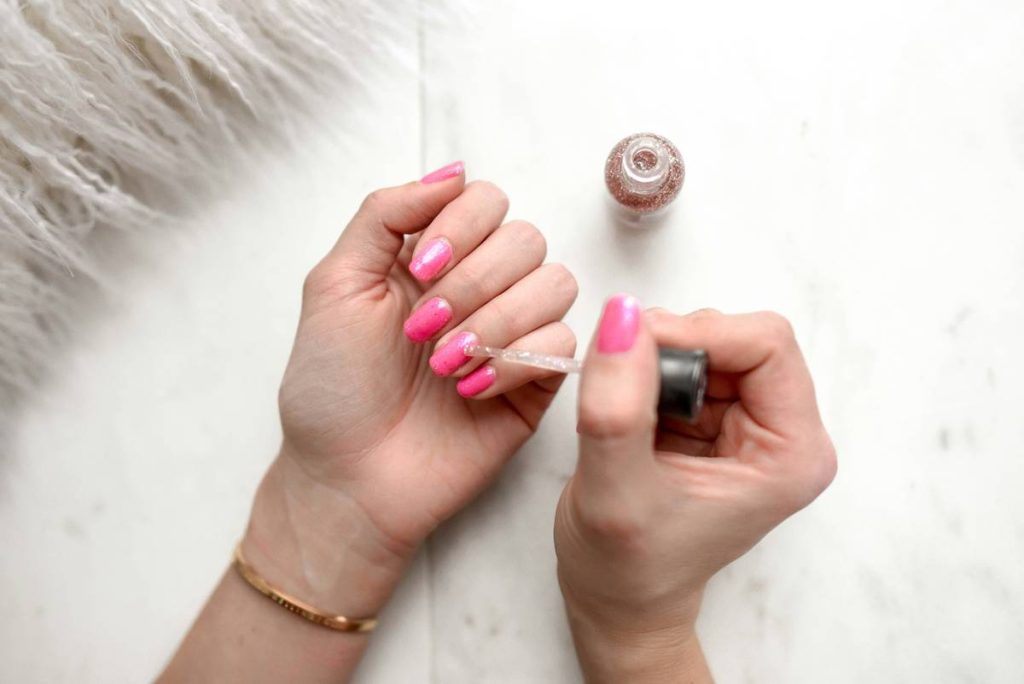
Thin coats win. Always. Two micro-thin layers of base > one thick glop. Cap the free edge every time—that’s where water sneaks in and peeling begins.
| Base Coat Type | Key Ingredients | Drying Time | Chip Resistance (7-Day Test) | Price Range |
|---|---|---|---|---|
| Basic Drugstore Base | Ethyl Acetate, Nitrocellulose | 1–2 min | Poor (Chips by Day 2) | $3–$6 |
| Bonding Base Coat | Adhesion promoters, resins | 2–3 min | Fair (Holds to Day 4) | $8–$12 |
| Protective Nail Layer | Keratin, calcium, cross-linking polymers | 3–5 min | Excellent (Intact Day 7+) | $14–$22 |

The Industry Secret: Base Coats That Double as Treatments
Here’s what salon owners won’t tell you: the best protective nail layer doesn’t just shield—it repairs. Brands like Zoya Naked Base or Orly Bonder Fortifying Base don’t sit idle. They release trace minerals during wear, subtly reinforcing the nail plate from within.
Think about it: if your nails are chronically thin or ridged, no amount of top coat will fix the foundation. But a bioactive base? That’s long-game care disguised as prep work. The math is simple—invest $18 once, save $60 in salon fixes over six months.
And yes—these formulas work under gel, dip, and regular lacquer. Flexibility is non-negotiable.
Frequently Asked Questions
Can I skip base coat if my polish has “strengthening” claims?
No. “Strengthening” polishes often contain hardening agents that make nails brittle over time. A protective nail layer acts as a buffer—preventing direct contact and balancing reinforcement with flexibility.
Does a protective nail layer prevent yellowing?
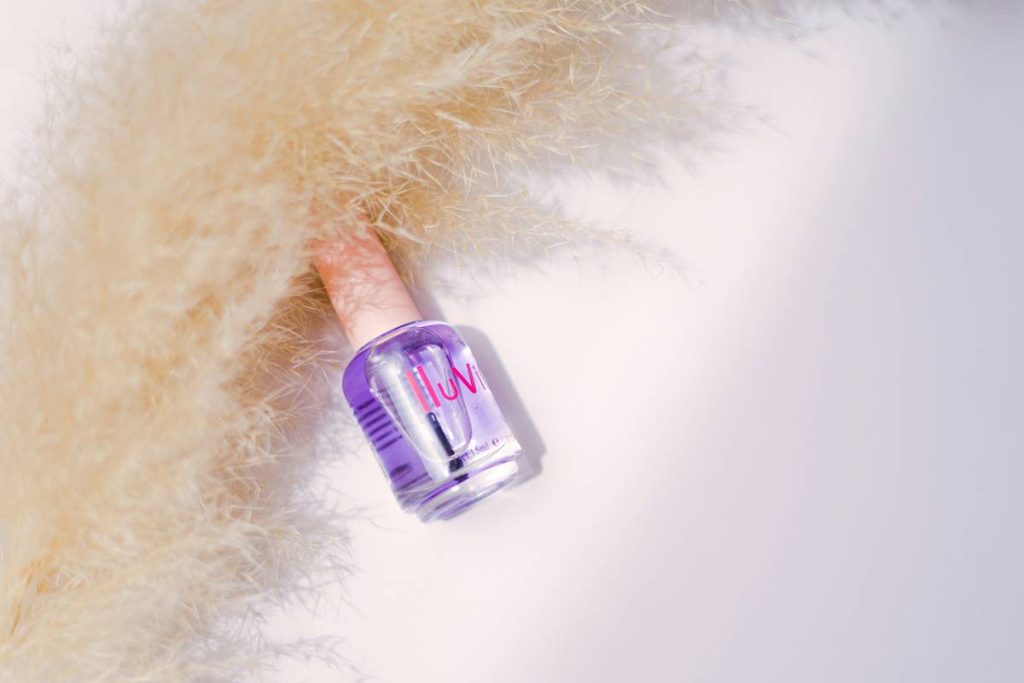
Absolutely. Dark polishes leach pigments into porous nails. A proper base forms a physical barrier. Look for violet-tinted bases—they optically counteract yellow tones while blocking stains.
How often should I reapply the base coat alone?
Never—as a solo product. It’s engineered for use under color or as part of a full system. Used alone, it lacks UV filters and top-layer sealing, leaving nails vulnerable to environmental damage.